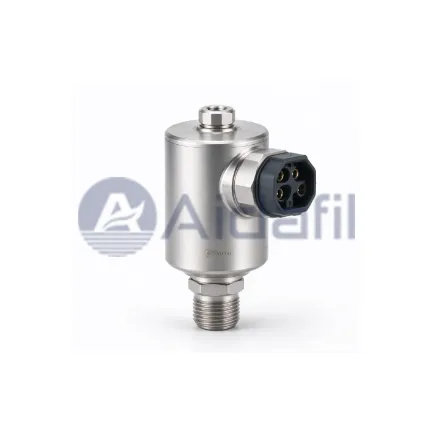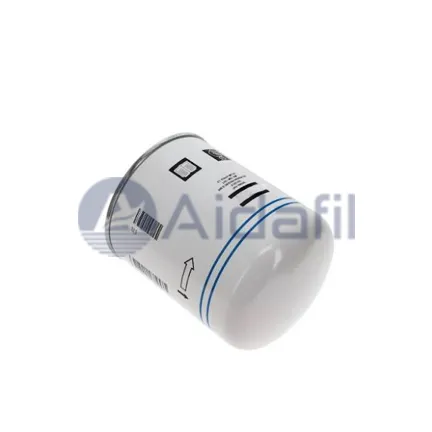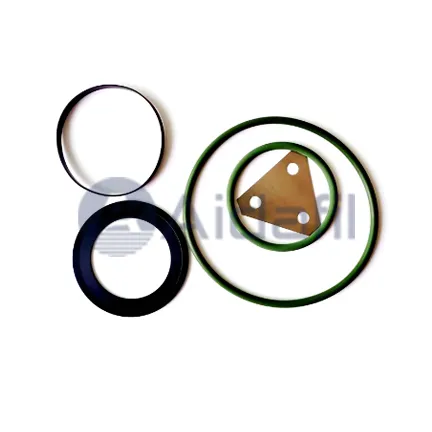
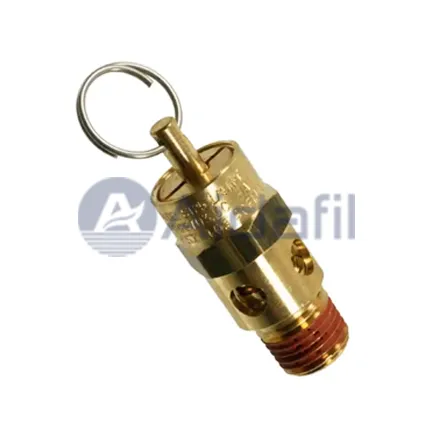
1623867400
Atlas Copco
Atlas Copco
1623867400
(replacement)for Atlas Copco
- Description
1623867400 (Valve Throttle) is core air circuit control valve assembly designed specifically for oil-injected screw air compressors. This component is responsible for precisely regulating the intake or exhaust flow during compressor operation, maintaining system pressure balance and ensuring stable unit operation.
Core Functions and Effects of the Product
In the air circuit control system of an oil-injected screw air compressor, the throttle valve directly determines the load response and energy consumption performance of the unit:
• Precise Flow Control.
It dynamically adjusts the valve opening according to the air consumption demand of the pipe network to control the air flow entering the compressor main rotor.
• Loading and Unloading Switching.
It provides buffering and cut-off functions during the state transitions of air compressor startup, Load and Unload, so as to avoid motor overload startup or sudden changes in system pressure.
• Stable Pressure Regulation.
Working in coordination with control solenoid valves and pressure sensors, it maintains the system exhaust pressure within the set range and reduces energy consumption from idling with no load.
• Prevention of Oil and Air Backspray.
It assists in closing the air intake channel the moment the machine stops or unloads, preventing the lubricating oil and compressed air inside the oil-gas separator tank from flowing backward and spraying out.
Applicable Scenarios and Common Replacement Timing
This component is widely used in fixed and mobile oil-injected screw air compressors in manufacturing plants, mining machinery and construction engineering. During routine maintenance, the throttle valve usually needs inspection or replacement when the following symptoms occur:
• Failure to load or unload normally.
After the unit starts, the air production pressure cannot rise, or it fails to unload after reaching the set upper pressure limit, causing the safety valve to pop open.
• Valve sticking or slow response.
Long-term operation leads to insufficient valve plate opening and failed air flow regulation due to sludge and carbon deposits or fatigue of the internal spring.
• Leakage caused by aging seals.
Wear of the internal O-ring or diaphragm results in air leakage in the control air circuit, leading to system pressure fluctuations or shutdown oil injection faults.